The CHEQ-Up: 2026 Privacy Outlook. Automation, Enforcement, and the Rise of “Delete My Data”
Jamie Vinkle|
Privacy & Compliance | March 25, 2026

TL;DR
Privacy teams are entering 2026 under pressure. Economic uncertainty is shrinking budgets while regulatory expectations continue to expand. At the same time, new enforcement trends and laws like California’s DROP Act are giving consumers more control over their data.
The result is a shift toward automated compliance, stronger data visibility, and tighter scrutiny around how companies collect and use personal information.
Privacy Teams Are Being Asked to Do More With Less
Economic pressure is forcing many organizations to reassess how their privacy programs operate.
Privacy leaders are facing tighter budgets while the regulatory landscape continues to grow more complex. This tension is pushing teams to rethink how they manage compliance at scale.
Manual compliance programs don’t scale.
Many organizations still rely on manual reviews, audits, and internal processes to monitor privacy controls. As budgets tighten, those approaches are becoming harder to sustain.
Automation is becoming a necessity.
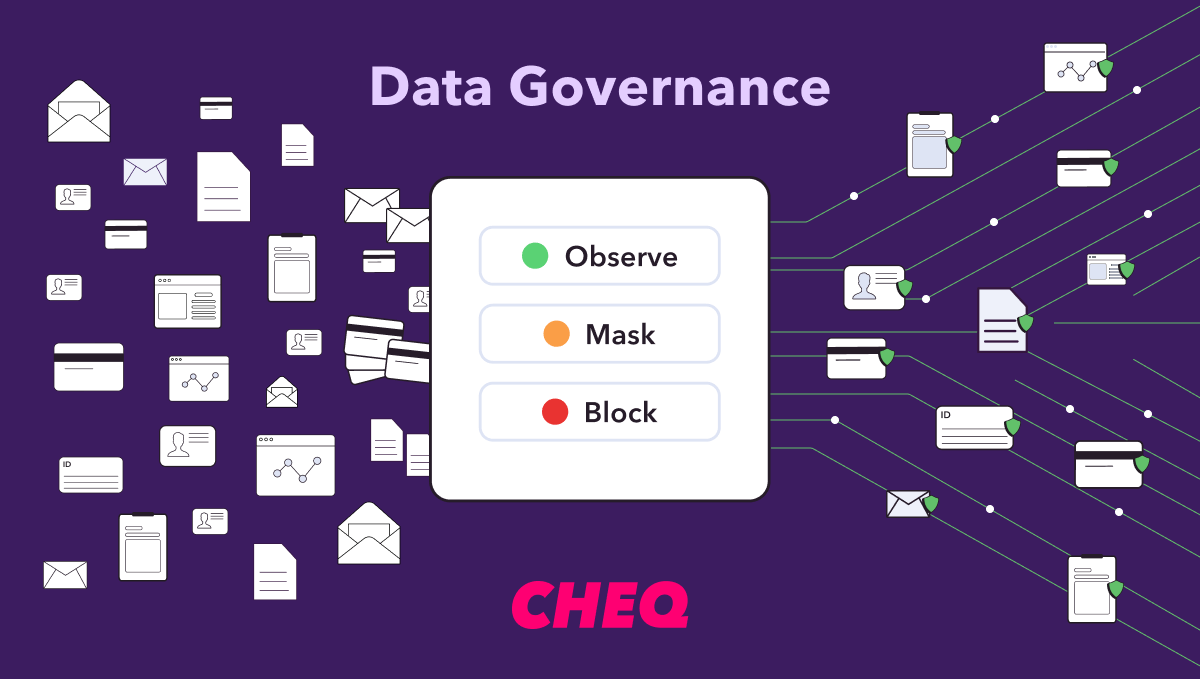
Companies are increasingly investing in automated monitoring, governance, and enforcement systems that allow smaller teams to maintain oversight across large digital environments.
The risk environment hasn’t slowed down.
Even as budgets shrink, the legal and reputational impact of a breach or compliance failure remains significant.
Data Is Becoming the Proof of Compliance
One theme that continues to surface across privacy programs is the importance of data visibility.
It is no longer enough to have policies in place. Organizations must demonstrate that those policies are actually being followed.
Compliance needs measurable signals.
Data allows organizations to validate that consent systems, governance programs, and privacy controls are functioning as intended.
Collecting less data can create real business value.
Reducing unnecessary data collection can lower costs across analytics platforms and marketing technology stacks that charge based on usage.
Data visibility can unlock budget efficiency.
Organizations that understand how their data flows through vendors and tools are better positioned to renegotiate contracts and eliminate redundant technologies.
Global Privacy Enforcement Is Becoming Less Predictable
International enforcement patterns are also shifting.
Europe has long been the epicenter of privacy enforcement under GDPR, but recent developments suggest the landscape may be changing.
Italy’s enforcement leadership is uncertain.
A corruption probe involving Italian regulators has raised questions about how active the country will remain in GDPR enforcement.
Other countries may step forward.
Spain or France could become more prominent enforcement leaders, potentially introducing different regulatory priorities.
Companies must watch multiple jurisdictions.
For global organizations, enforcement risk is no longer concentrated in a single region.
Regulators Are Targeting Hidden Data Collection
Another enforcement trend gaining attention involves data collection that happens without clear user awareness.
Recent legal actions suggest regulators are increasingly focused on transparency and user expectations.
Background data collection is under scrutiny.
A lawsuit against Samsung alleges that smart televisions collected viewing data without users fully understanding the tracking.
The issue isn’t new.
Similar concerns have appeared in earlier cases involving companies like Google.
User awareness is becoming the standard.
Data collection that occurs silently or outside the user’s understanding is increasingly viewed as unacceptable.
California’s DROP Act Could Change the Data Broker Market
One of the more significant regulatory developments discussed in the episode is California’s DELETE REQUEST AND OPT-OUT PLATFORM (DROP) Act.
The law introduces a centralized way for consumers to remove their data from broker databases.

A single request can reach every broker.
Users can submit a “delete my data” request that is automatically sent to all registered data brokers operating in California.
Data brokers must comply.
Licensed brokers are required to honor these deletion requests.
The value of third-party data may shrink.
If large numbers of consumers opt out, brokers could lose significant portions of their datasets, forcing a rethink of how third-party data is used.
What Privacy Teams Should Be Watching in 2026
Taken together, these developments point to several trends shaping the year ahead.
Privacy programs are entering a new phase where automation, visibility, and user control will play a larger role than ever before.
Automation will define modern privacy programs.
Organizations will increasingly rely on automated systems to manage compliance at scale.
Data visibility will drive both compliance and cost control.
Understanding data flows will help companies validate governance while reducing unnecessary spend.
Regulators are focusing on transparency.
Hidden tracking and background data collection are becoming major enforcement targets.
Consumer control over personal data is expanding.
Laws like the DROP Act signal a continued shift toward stronger individual privacy rights.
Listen to the podcast version of the CHEQ-Up below