The More Things Change: What Atlas Browser Reveals About the Future of Web Traffic
Brandon Borden|
Bot & AI Agent Trust Management | December 01, 2025
When OpenAI unveiled Atlas Browser, headlines focused on one detail: its ability to mimic human clicks. For anyone in digital marketing or analytics, that sounds both revolutionary and deeply familiar.
Atlas is powered by ChatGPT, one of the most recognizable names in the AI industry. The browser offers two modes, Standard and Agent, each designed for very different capabilities.
In Standard Mode, Atlas behaves like any modern browser. In Agent Mode, Atlas can take actions on behalf of a user, navigate sites, fill carts, click buttons, and even complete tasks from start to finish.
The pattern feels familiar to most marketers. Machine-driven actions have been shaping the landscape for years, long before the current wave of automation. Billions of bots, click farms, and fabricated leads have attempted to mimic genuine human engagement.
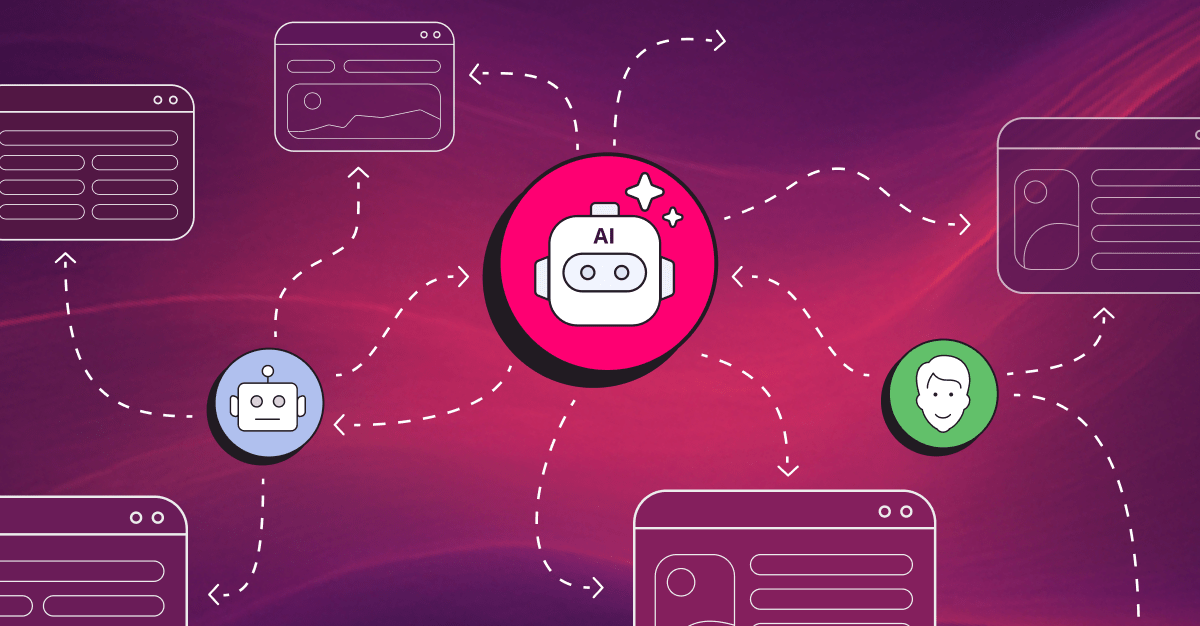
It’s tempting to think the more things change, the more they stay the same. Not so fast. Atlas signals something very different, a fundamental shift in how digital engagement happens across the web. The bottom line is that AI agents are no longer merely visiting the web. They are active participants.
This shift introduces a new category of activity that is neither malicious nor human, and it challenges many assumptions marketers rely on for measurement and optimization. They must adapt to maintain data accuracy and campaign efficiency and to tap the opportunities that lie ahead.
We’ve Been Here Before, But the Stakes Are Higher
Why does it feel like we’ve been here before?
It’s because technological change is rarely a simple transition from A to B. Evxery wave of digital innovation has produced its own layer of noise, making it difficult to separate incremental evolution from a fundamental change in the playing field.
AI didn’t come out of the blue for marketers. Technology has been steadily mimicking and emulating human engagement. When display advertising took off, click farms appeared. When performance marketing exploded, bots followed. When privacy regulations tightened, bad actors learned to build sophisticated AI bots that mimic human engagement and legitimate signals.
Now, as AI begins browsing, shopping, and engaging on our behalf, the same noise dynamic is playing out again, only smarter and far more challenging to detect.
On one level, it’s a logical continuation of twenty years of automation in the digital economy. From that perspective, Atlas is the latest signal that we have entered a new phase in which AI agents no longer stop at analyzing data. They generate it.
But there’s a bigger dynamic at play.
Atlas points to a new era of AI activity that increasingly resembles high-quality engagement rather than low-quality noise. It’s now much harder to distinguish beneficial automation from harmful automation, especially inside ad platforms that treat all clicks as equal.
The Blurred Line Between Fraud and Function
AI-powered browsers bring undoubted technological innovation, including the ability for assistants to browse, shop, and compare on our behalf. But alongside the benefits come serious complications for advertisers.
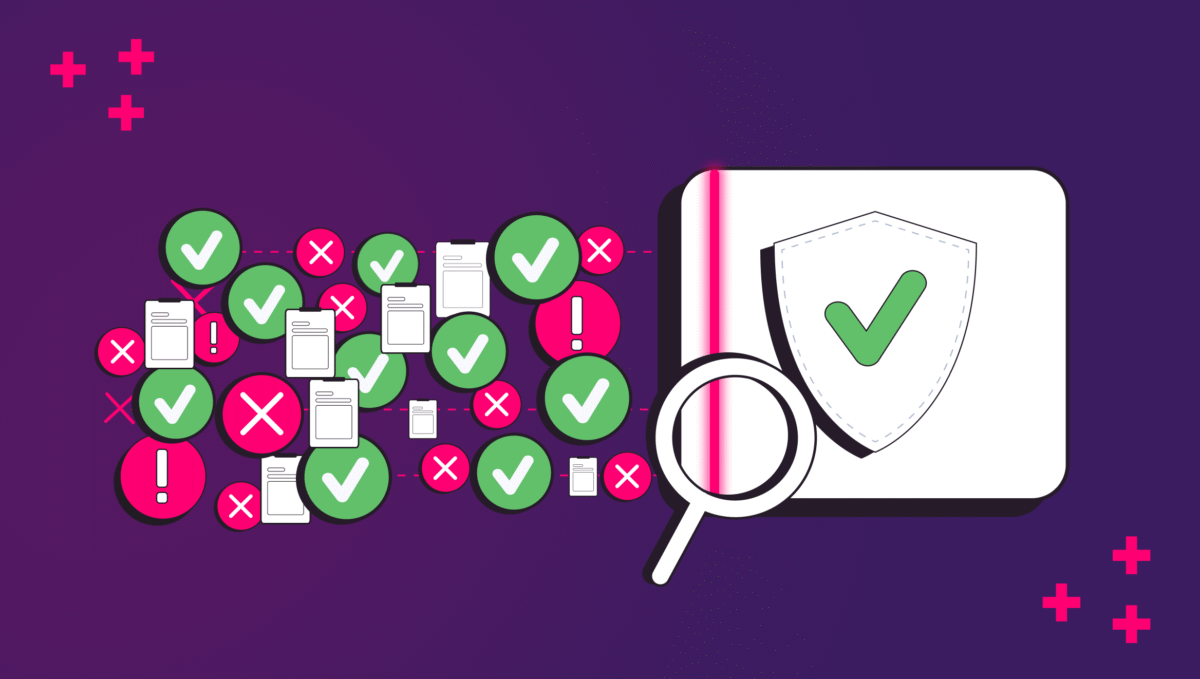
When an AI agent simulates human engagement, ad platforms can’t easily distinguish between genuine intent and synthetic curiosity. You might see a sudden spike in CTRs that isn’t driven by potential human customers, but by bots: each “click” can still drain budgets, populate retargeting audiences, and skew optimization models.
Of course, none of this is new.
Marketers have faced the same challenge since the dawn of pay-per-click advertising, always wondering who is actually clicking. What has changed is the need to account for both malicious automation and legitimate AI activity, because blocking all AI traffic could mean losing potential customers or other benefits.
Advertisers can no longer assume that a high click-through rate or strong early engagement signals real demand. On the other hand, AI-driven engagement could benefit your business. Marketers will need to validate traffic by intent, not just by source.
While this may sound daunting, detecting these kinds of entities and determining their intent is our bread and butter.
Here are a few key approaches that can make a difference:
- Establish long-term baselines across your campaign KPIs: conversion rates, time on page, and session depth. These are the first steps in identifying suspicious activity and trends.
- Build conversion event and UTM tracking into every campaign: Establish a mechanism down funnel, such as “workable MQL” or “verified sign up” that can be attributed back to the initial conversation event to build both retargeting lists and negative lists after additional layers of verification.
- Leverage paid media protection tools: Leverage tools like CHEQ Acquisition that will run more than 2,000 tests on each visitor to identify and remove fake users from targeting and lookalike modeling.
When Every Form Submission Needs Verification
If ads are about visibility, forms are about trust.
A filled form has long been a stand-in for a qualified lead; a real person raising their hand. But as AI agents conduct research or outreach tasks for users, that assumption starts to wobble.
A range of troubling questions present themselves. Did a potential customer submit the form? By their digital assistant? Or by a malicious bot copying their behavior?
And it’s not just filling forms. AI today can schedule demos or request quotes. It can trigger workflows. In short, it can act like a regular human customer.
There are various implications to consider, both negative and positive. On the one hand, AI could end up wasting salespeople’s time. Prospects might come to discovery calls with less context on hand than they might have had if they conducted the research independently, potentially impacting your deals, for instance.
However, it’s important to recognize the emergence of a new opportunity for growth. As new channels emerge, savvy teams can rethink how the web experience is cultivated.
Let’s address the elephant in the room:
AI, as well as bad bots, can easily bypass reCAPTCHA, and we should expect this trend to continue. For example, Atlas lets users switch to Agent Mode when they want ChatGPT to take actions (navigate, click, complete multi-step flows), including sites you’re already signed in to.
However, we shouldn’t see form-filling and other forms of AI engagement as simple dangers. In fact, some of these agents represent genuine customer intent, while others are simply noise.
Knowing which is which and building experiences across entities will keep many go-to-market leaders busy for the foreseeable future.
The next era of engagement will focus less on blocking automation outright and more on understanding it. What will this mean in practical terms?
For Analytics, Sessions Aren’t Enough: Entities Matter
For years, web analytics has treated all sessions as equal, with users arriving, pages viewed, and conversions logged. That assumption breaks down once AI agents enter the mix.
Atlas Browser’s Agent Mode is designed to complete full tasks autonomously, which means web traffic will increasingly reflect machine-assisted behavior that is faster, shallower, and more transactional. Traditional KPIs like time on page or bounce rate won’t capture the nuance.
And it should be noted that while Atlas Browser is a prominent example of AI-powered browsers, it isn’t alone: other examples include Perplexity Comet, Opera Neon and Dia Browser.
Analytics teams should expect to see new patterns emerge:
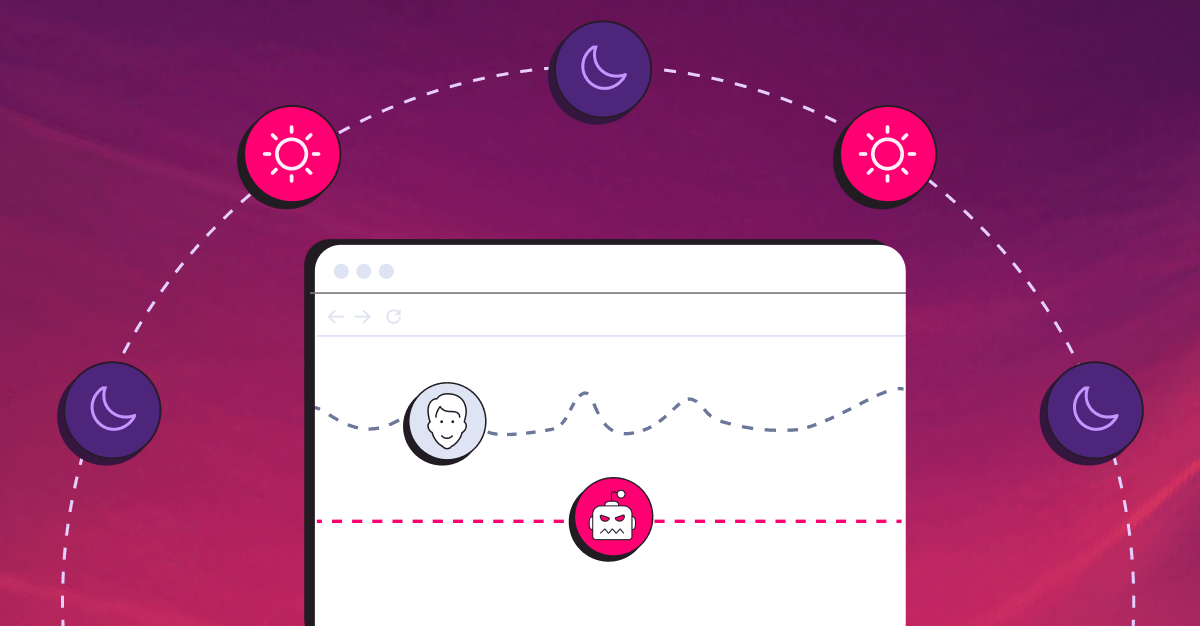
- Perfect-scrolling sessions: AI agents often scroll through full pages in one continuous motion without the pauses, hesitations, or directional adjustments that humans naturally show.
- Extremely rapid dwell times (often under two seconds): Agent-driven sessions may load a page, capture its content instantly, and move on before any meaningful human-like reading time occurs.
- Non-linear task navigation: Agents jump directly to specific elements or URLs needed to complete a task instead of progressing through a page in a typical top-to-bottom path.
- Consistent mouse paths without natural hesitation: AI agents generate smooth, hyper-regular cursor movements that lack the micro-corrections seen in human behavior.
These are signals of AI-generated or AI-assisted behavior, and they will become increasingly common in dashboards.
That’s why Traffic Intelligence is required to gain visibility into the kinds of human and automated traffic, whether bots, LLM crawlers, or AI agents, that engage with your site.
This level of granularity provides the context you need to optimize your efforts going forward. The outcome could involve serving a very different web experience to an LLM crawler instead of a human.
However, the future of analytics isn’t about filtering non-humans out; it’s about classifying them correctly.
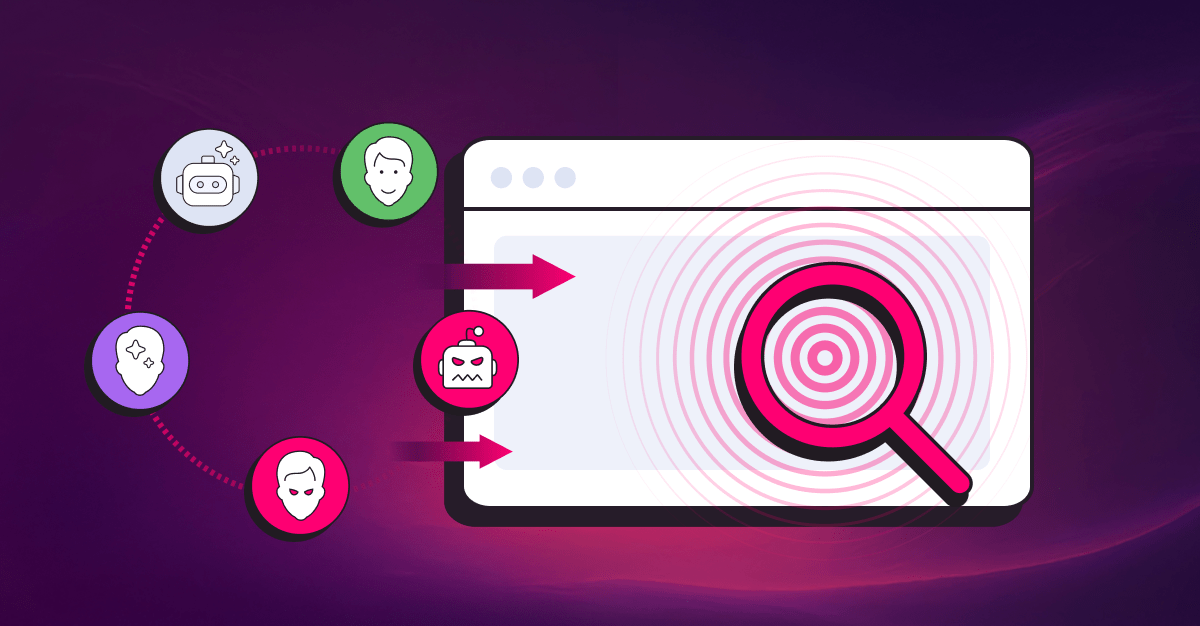
Humans, bots, and AI agents will all shape digital ecosystems in different ways. Treating them as distinct audiences, each with its own patterns and value, is how teams will preserve truth in their data.
So how can you analyze the data and make decisions depending on the entity visiting your site? In other words, what should you do if most of your web traffic is made up of LLM crawlers?
As we’ve seen, that’s not necessarily a bad thing – the important thing is to develop the right insights into your users. With CHEQ Acquisition, you can eliminate invalid traffic from your paid campaigns, audiences and remarketing efforts, with comprehensive reporting across traffic sources.
What Teams Should Do Next
- Assess traffic at the entity level: It’s vital that your AI analysis tools can assess traffic at the entity level, not simply by referrer or UTM. CHEQ Manage, for example, uses multiple detection methods, including TCP/IP fingerprinting, behavioral analysis, device spoofing detection, and more, to go beyond surface-level filters.
- Move beyond bot management: Many of today’s identity systems and automation defenses were built for a different era: crucially, they focus on scripted and repetitive behavior, rather than the adaptive intelligence displayed by AI. Modern approaches should build persistent behavioral baselines, connecting verified humans with authorized AI agents, for instance, while adopting continuous protection that adapts to changing contexts, identity, and behavior.
- Strengthen funnel verification: AI agents are affecting the entire funnel, from discovery to checkout. For marketers, this means reassessing metrics at each stage of the customer journey, adapting as needed for attribution, engagement scoring, and beyond.
- Segment AI agents into their own audience: It’s important to adopt a solution that can segment traffic by intent, rather than behavior alone. Remember, AI isn’t always a threat; sometimes, a user could deploy Atlas or a similar AI-powered browser to engage with your business positively.
- Cater for mixed-agent journeys: Web traffic is no longer a simple, human-driven activity. Your website should be designed for both human and AI traffic, offering the clarity and structure that (good) AI agents need, as well as the storytelling and emotional qualities that appeal to humans.
The Web is Now Multi-Entity
The web is no longer built just for people. It is a shared space for humans, AI agents, and everything in between. That shift makes Atlas both a warning and a wake-up call.
Savvy marketers no longer treat “traffic” as a single metric. It’s a combination of interactions, some meaningful, some misleading. Just as bots can be positive and negative, enhancing search results on the one hand, while supporting spam on the other, so AI-powered browsers will deliver benefits and drawbacks.
It’s time to seize opportunities and minimize risks.
The marketers and analysts who thrive in this new era will be those who measure with discernment; they will look at a spike in engagement, for instance, and ask not just what happened, but who or what caused it.
The tools will evolve, the threats will adapt, but the principle endures: know who’s on the other side of the click.
To learn more about how AI agents are impacting your buyers’ journey today, request a complimentary Traffic Intelligence Scan.

Author
Brandon Borden
Brandon Borden leads Demand Generation at CHEQ, where he blends strategy with firsthand experience as a former customer. He previously held marketing leadership roles at Twilio and Articulate.