CIPA, Website Tracking, and What This California Ruling Really Means
Jamie Vinkle
Privacy & Compliance
August 18, 2026
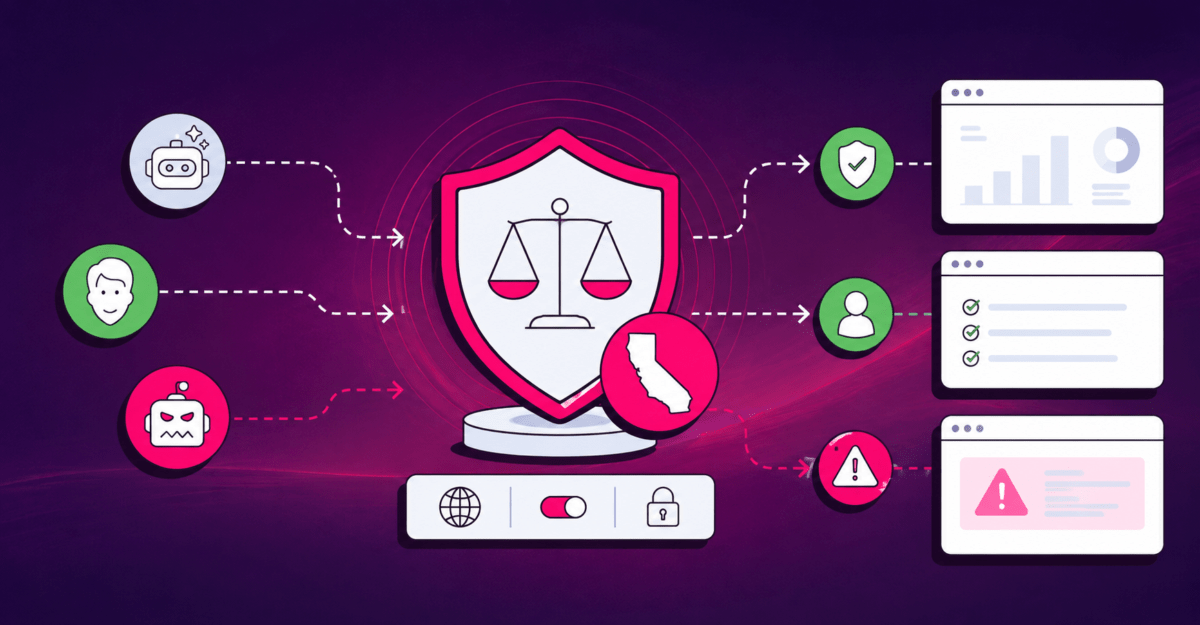
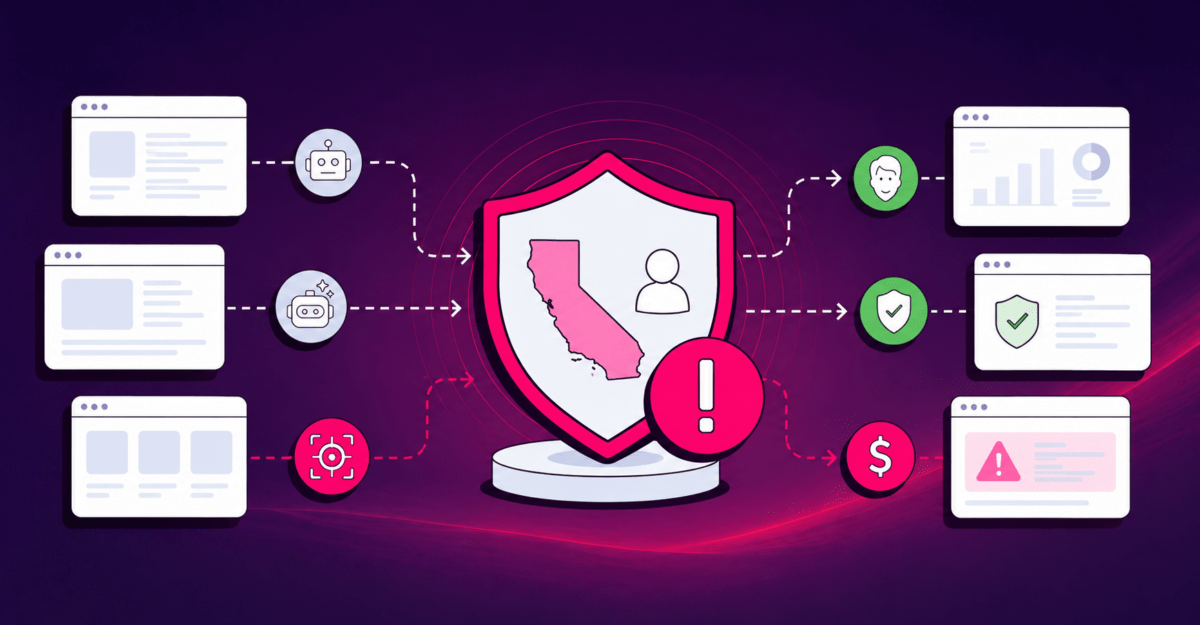
A California court just dismissed a lawsuit that tried to apply the California Invasion of Privacy Act’s “pen register” provisions, originally written for telephone surveillance, to modern website tracking tools and SDKs. The judge found the legal arguments insufficient to prove a CIPA violation, and blocked further attempts to refile that specific claim.
It’s a win for companies and vendors facing similar suits. But it’s not the end of the story.
What the ruling actually changes
This decision is not binding precedent. Other courts can, and likely will, reach different conclusions on similar facts. The ruling closes off one legal theory in one case. It doesn’t shut down the broader wave of privacy litigation targeting how companies track visitors online.
Why the risk isn’t going away
Plaintiffs’ attorneys adapt. If the pen register theory under CIPA loses steam, expect a pivot toward other frameworks, particularly the California Consumer Privacy Act (CCPA), to make similar arguments through a different door.
There’s also a bigger pattern here worth watching: laws never written with digital tracking in mind are increasingly being tested against digital tracking practices. That trend doesn’t depend on any single ruling.
What companies should do regardless
A favorable outcome in one case is not a compliance strategy. Companies should still:
- Enforce end-user consent preferences consistently across their sites
- Respect Global Privacy Control (GPC) signals
- Keep clear, organized documentation of compliance practices in case of audit or litigation
- Be deliberate about what data gets tracked on sensitive pages, where scrutiny is highest
The bottom line
This ruling buys some breathing room, not immunity. CIPA and adjacent privacy laws will keep showing up in unexpected legal arguments as courts work out how old statutes apply to new technology. The companies in the best position aren’t the ones waiting to see how case law shakes out. They’re the ones who already have consent, signal handling, and documentation locked down.