When Behavior Stops Telling You Anything: User Data Validation as a Signal of AI Agent Intent
Assaf Dar
Bot & AI Agent Trust Management
September 10, 2026

Behavioral analysis has long been an important part of detecting automation. Timing, movement, and session patterns help distinguish humans from machines, even when a machine is trying to hide its true nature.
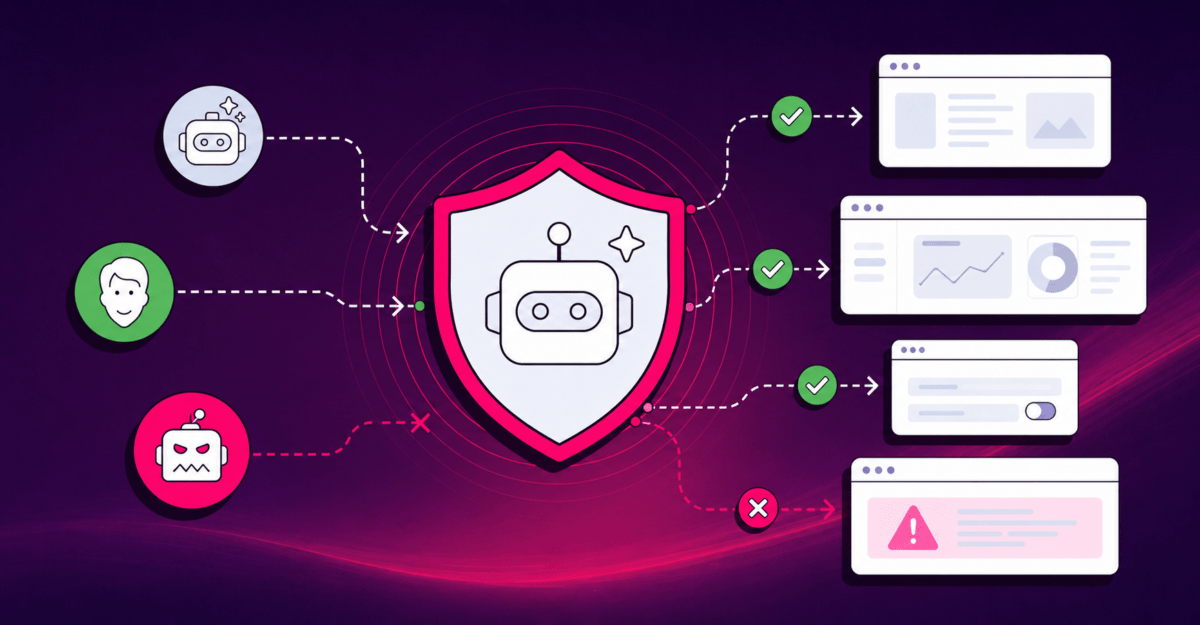
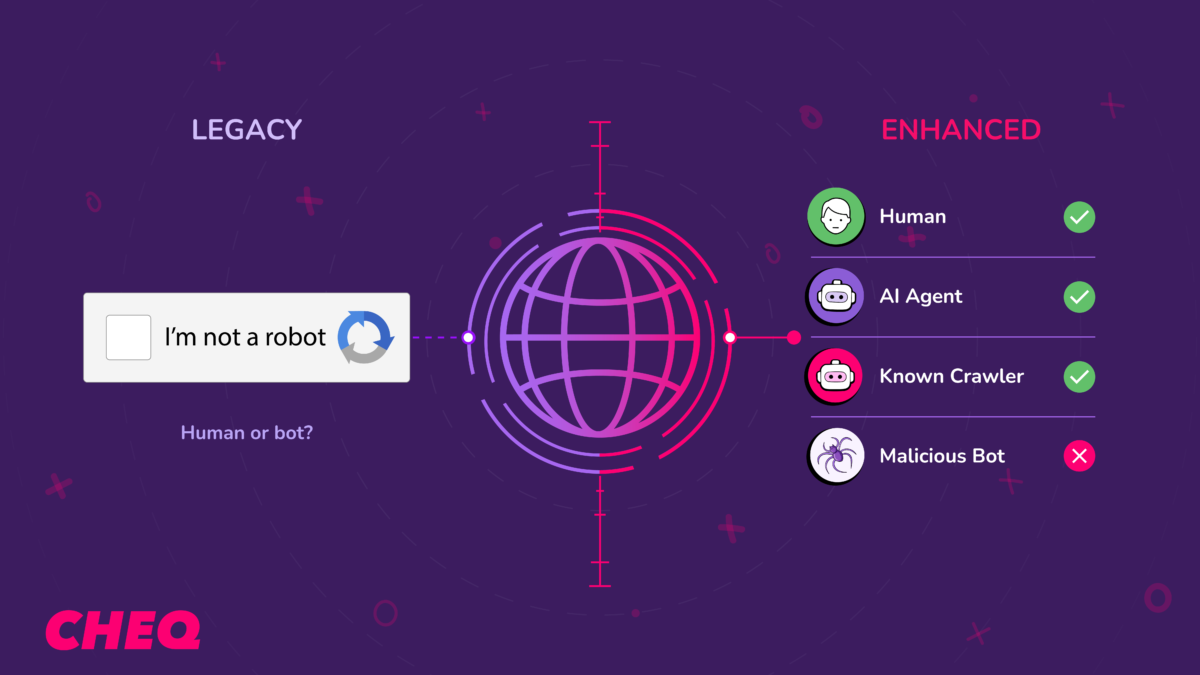
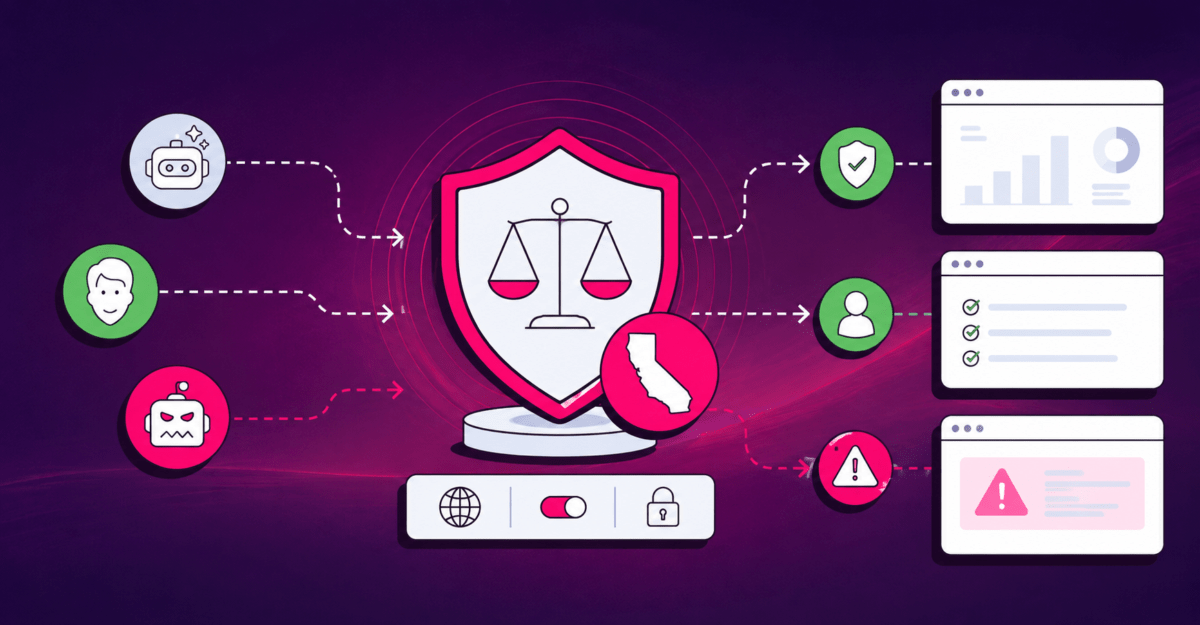
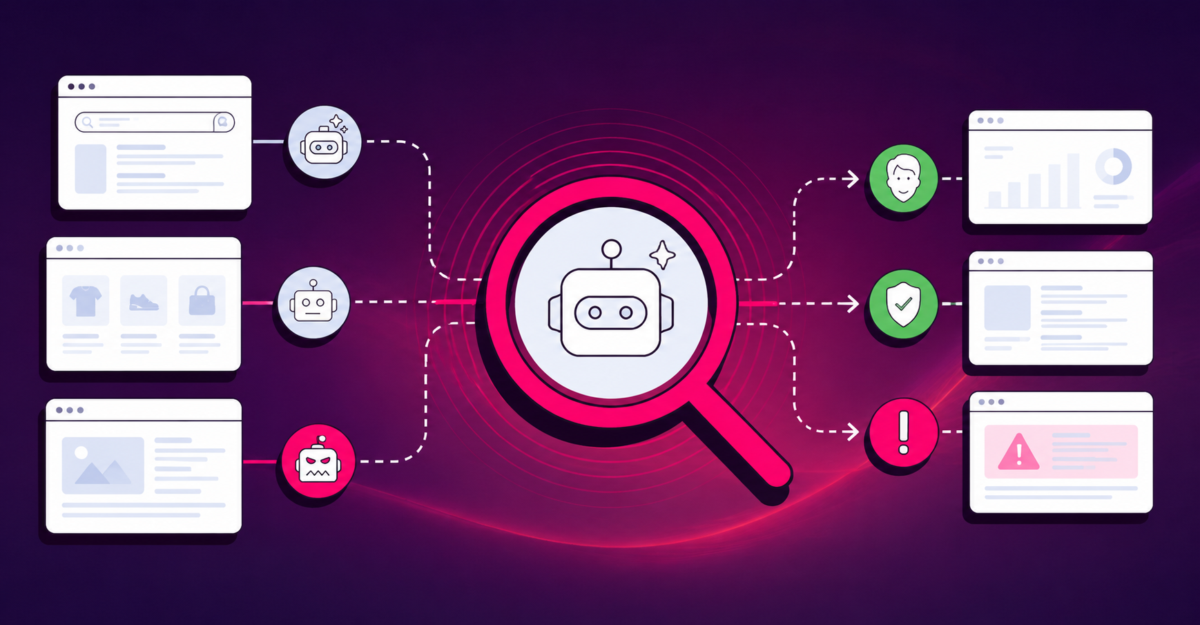
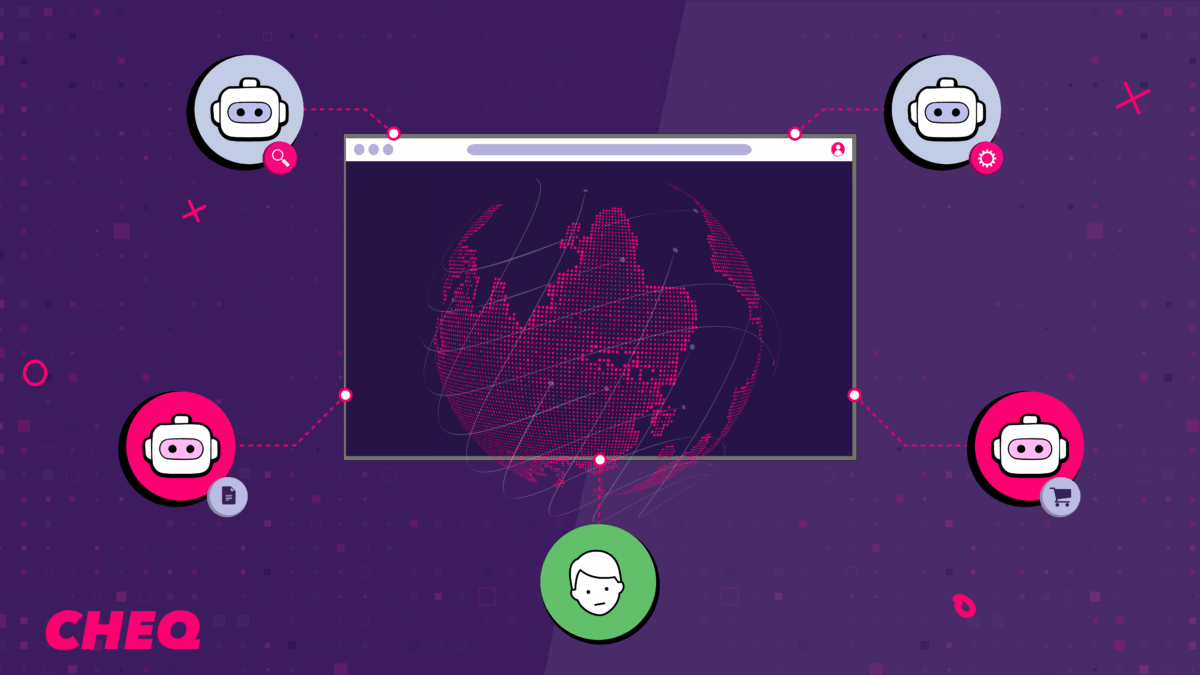
But behavior alone cannot determine trustworthiness. AI agents now complete forms, create accounts, and make purchases on behalf of real users. A legitimate shopping agent and a malicious bot may both exhibit unmistakably automated behavior, such as rapid movements and actions performed at superhuman speed. Recognizing that both are automated does not tell us which one can be trusted.
A separate challenge is that behavior is learnable and increasingly easy to imitate. Sophisticated agents used for fraud and exploitation can approximate human interaction, potentially misleading detection methods into classifying them as human. Behavioral analysis therefore remains valuable, but, in many cases, neither automated nor human-like behavior is, by itself, a sufficient indicator of trustworthiness.
A different question: does the identity data actually work?
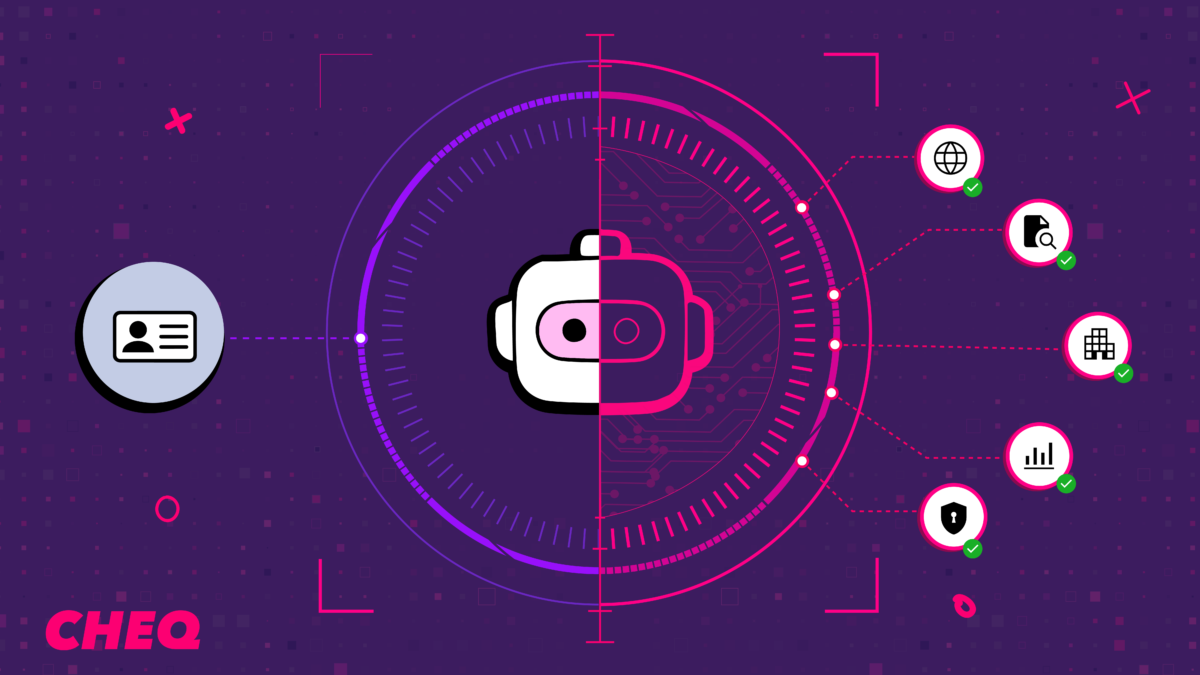
CHEQ’s User Data Validation (UDV), part of its comprehensive user detection, classification, and assessment engine, asks a different question: does the identity data the actor provides actually work? Is the email domain real and the mailbox reachable? Is the phone number active? Is the stated job title meaningful and plausible?
Rather than inferring legitimacy primarily from behavioral patterns, UDV directly assesses whether the presented identity appears to belong to an actor who genuinely needs it to function.
Why data viability is hard to fake
Data viability presents a different kind of barrier. A reachable email account or an active phone line requires real infrastructure, or a real identity, behind it. It cannot be statistically approximated in the same way as a mouse trajectory. Genuine actors provide functional data because they need a sustainable outcome: a confirmation email, a callback, approval of a request, or an account that continues to work over time. Actors optimized for scale and disposability have no such need, and the data they submit often reflects that. It may look plausible and be syntactically valid, but ultimately, it is hollow.
A single failed check can serve as a reliable, standalone indicator of intent. A pattern of failures across multiple fields strengthens the signal and may reveal an actor clearly engineered for disposability, but the framework does not require a combination to be actionable. One authoritative failure, such as a mailbox that does not exist or a phone number that cannot receive a call, is often sufficient on its own to indicate non-legitimate intent.
Why a failed check means more when the actor is an AI agent
The signal is even stronger when the actor is an AI agent rather than a human. For a human, a failed check may reflect an innocent mistake: a mistyped domain, an outdated phone number, or a stale job title. An agent is less likely to make these kinds of incidental errors. It does not forget to update its phone number or fat-finger a domain in the way a person might. It either has access to real, functioning identity data, generates or uses invalid data, or has been provided with incorrect information.
As a result, when a field fails during an agent-driven interaction, ordinary human error becomes a far less plausible competing explanation. That absence of an innocent explanation makes the failure a more direct signal of illegitimate intent for agents than for humans. It is also what makes CHEQ’s UDV capabilities particularly effective as an intent signal in an agentic context.
UDV and the agentic threat model
This gives UDV particular relevance to the agentic threat model. As agents increasingly act on users’ behalf by completing forms, creating accounts, or making purchases, a common failure mode may not be unnatural behavior, but the absence of real identity data. An agent without access to a user’s actual information may generate a plausible email address or phone number rather than fail the task outright. With more than 25 dedicated online, frictionless, and correlated tests, CHEQ’s UDV is designed to identify precisely this gap between plausible and real, regardless of how convincingly the surrounding session behaves.
UDV is one critical element of CHEQ’s broader methodology for understanding an actor. That methodology first determines what kind of actor is present, then assesses whether the actor is consistent with who or what it claims to be, and finally infers what it is attempting to accomplish and whether that purpose appears legitimate.
From proving humanity to proving stake
Within that assessment, UDV asks whether the actor has a genuine stake in the identity it presents. In other words, would it bother submitting data that resolves to something real if the outcome did not genuinely matter to it?
That is a difficult question to fake because it depends on possessing something real, not merely imitating a behavioral pattern or spoofing a digital profile. For agents in particular, even a single definitive failure carries significant weight because it has fewer credible innocent explanations.
As agents take on more of the transactions that identity data was designed to gate, the defining question for trust on the web is shifting from whether an actor is human to whether it has a genuine stake in the identity it presents. That question favors the defender, because a stake depends on possessing something real, and possession does not scale the way imitation does.
Want to know how much of your traffic would pass a viability check? See CHEQ Agent Intent in action.

Author
Assaf Dar
Chief Product Officer, CHEQ